
Guide · 1 min read
Lead-mining Swaledale
Read the valley through its old smelt mills, gills, village museums and industrial remains.
Swaledale’s mining history is not confined to a museum cabinet. It is built into gills, tracks, ruined buildings and villages all the way up the dale.
Start with context in Reeth
Swaledale Museum makes a useful first stop because it connects tools, people and mining work to the landscape you are about to walk through.
Follow Old Gang Beck
The Old Gang Smelt Mill route is one of the clearest ways to reach substantial mining remains on a broad track. The first section is also part of the National Park’s Miles Without Stiles network.
Move west to Gunnerside
Gunnerside Gill shows mining on a larger landscape scale. Interpretation in the area helps identify dressing floors and surviving industrial structures.
Keep the village story alive
Back in Gunnerside, the Old Working Smithy and Museum brings the story back down to the scale of craft and community.
Mining landscapes can contain open shafts and unstable ground away from paths. Stay on established routes and follow current safety advice.
Places in this guide
Museum · Reeth & Swaledale
Swaledale Museum
A small museum in a former Methodist school room exploring Swaledale and Arkengarthdale through mining, farming, local objects, archives and voices.
Village · Reeth & Swaledale
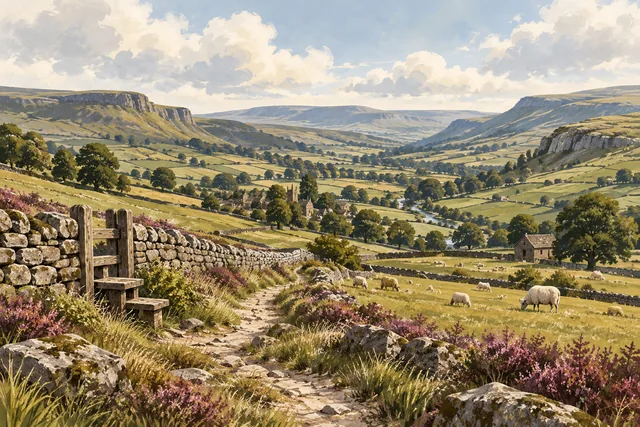
Gunnerside
A stone village beside Gunnerside Beck with strong links to Swaledale’s lead-mining past and footpaths climbing directly into Gunnerside Gill.
Museum · Reeth & Swaledale
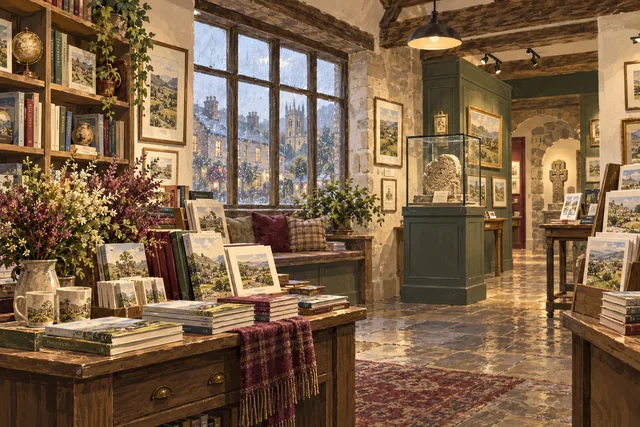
Old Working Smithy and Museum
A working smithy with a small museum documenting Dales life in Gunnerside.
Hotel · Reeth & Swaledale
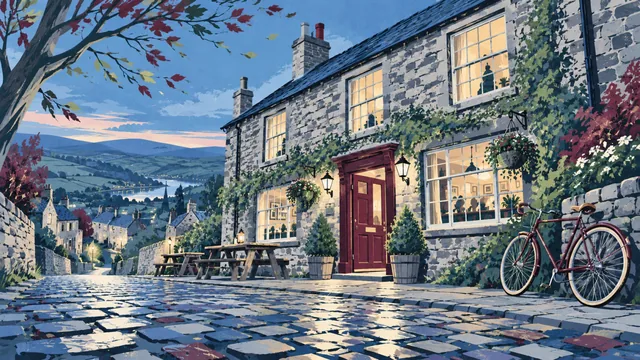
The CB Inn
An 18th-century inn in Arkengarthdale with nineteen rooms, fireside bar and restaurant built around local and seasonal produce.