
Guide · 1 min read
Brontë Haworth and the moors
The places that connect the Brontë family home with the landscape west of Haworth.
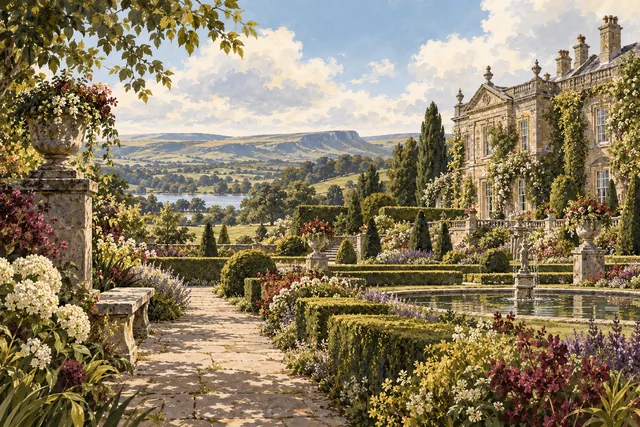
The Brontës lived at the edge of open country, and the clearest way to understand their Haworth is to see the house and then walk out towards the moor that begins almost at its back door.
The house and its parish setting
The Brontë Parsonage Museum preserves the family home, with rooms, manuscripts and belongings that ground the writing in daily life. Beside it, St Michael and All Angels Church shows the parish where Patrick Brontë served, and where members of the family are buried. Seen together, the two buildings explain why the family's world centred on the top of the village.
Walking beyond the village
West of the Parsonage, paths climb onto Haworth Moor. Brontë Waterfall is a natural first destination, a small fall and crossing point in a fold of the moor. Beyond it, the route continues to Top Withens, a ruined farmhouse. Penistone Hill Country Park, closer to the village, offers open heath and wide views for a shorter outing.
- Wear boots: paths are often wet and uneven.
- Carry a map, as the moor has few landmarks in poor visibility.
- Check the weather before setting out and take waterproof layers.
- Allow a full outing for Top Withens; it is well beyond the waterfall.
- Choose Penistone Hill if you want moorland views with less commitment.
Association, not proof
Top Withens is long associated with the setting of Wuthering Heights, but that link is a tradition rather than proven direct inspiration: the farmhouse itself does not match the novel's house. Treat the walk as a way to feel the landscape the family knew, rather than a visit to a documented scene.
Places in this guide
Museum · Haworth & Brontë Country
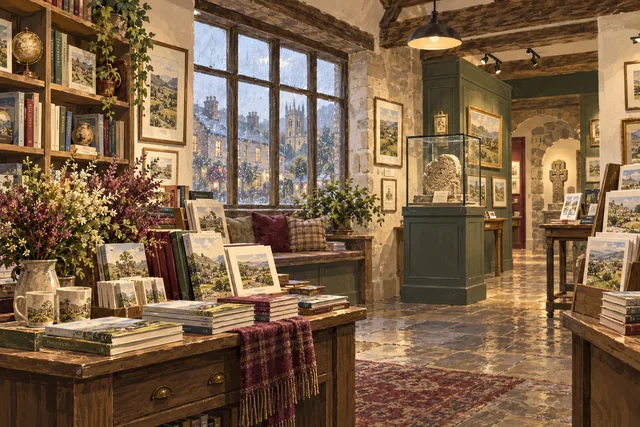
Brontë Parsonage Museum
The former Haworth home of the Brontë family, now a museum displaying manuscripts, personal objects, period rooms and changing exhibitions.
Heritage · Haworth & Brontë Country
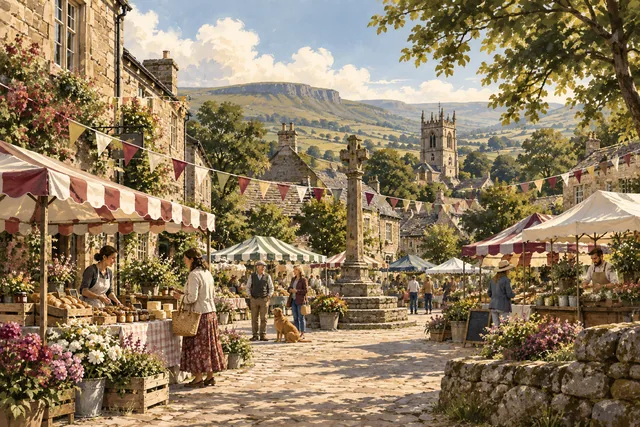
St Michael and All Angels Church
Haworth parish church, where Patrick Brontë served as perpetual curate and members of the Brontë family are buried in the family vault.
Nature · Haworth & Brontë Country
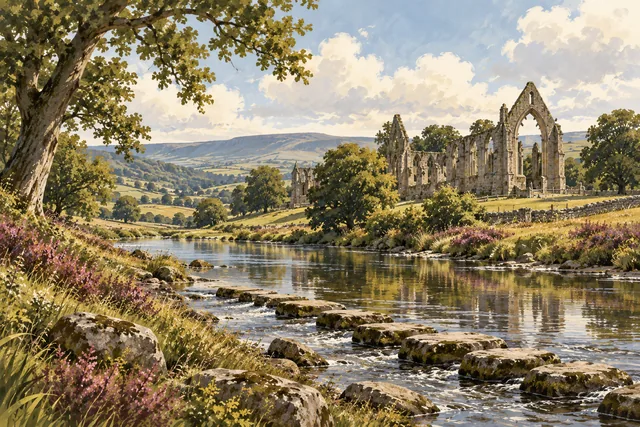
Brontë Waterfall
A small waterfall and crossing point on the moorland paths west of Haworth, reached on walking routes from the village and Parsonage.
Heritage · Haworth & Brontë Country
Top Withens
A ruined farmhouse on the moors west of Haworth, long associated with the landscape of Wuthering Heights.
Nature · Haworth & Brontë Country
Penistone Hill Country Park
Open moorland and heath above Haworth with footpaths, broad views and traces of the area’s quarrying landscape.